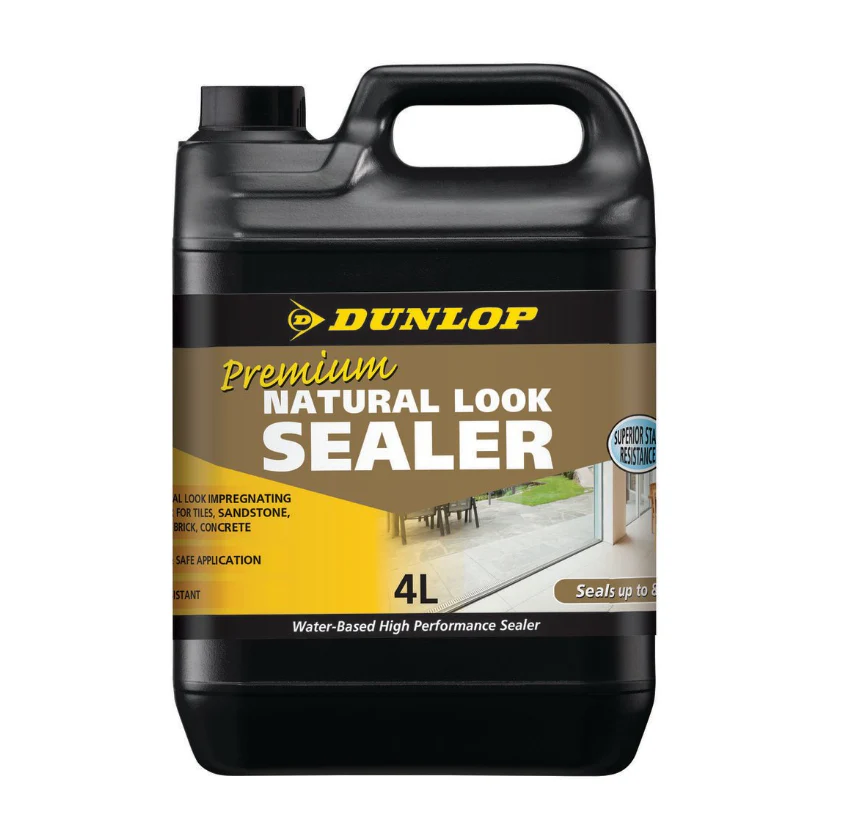
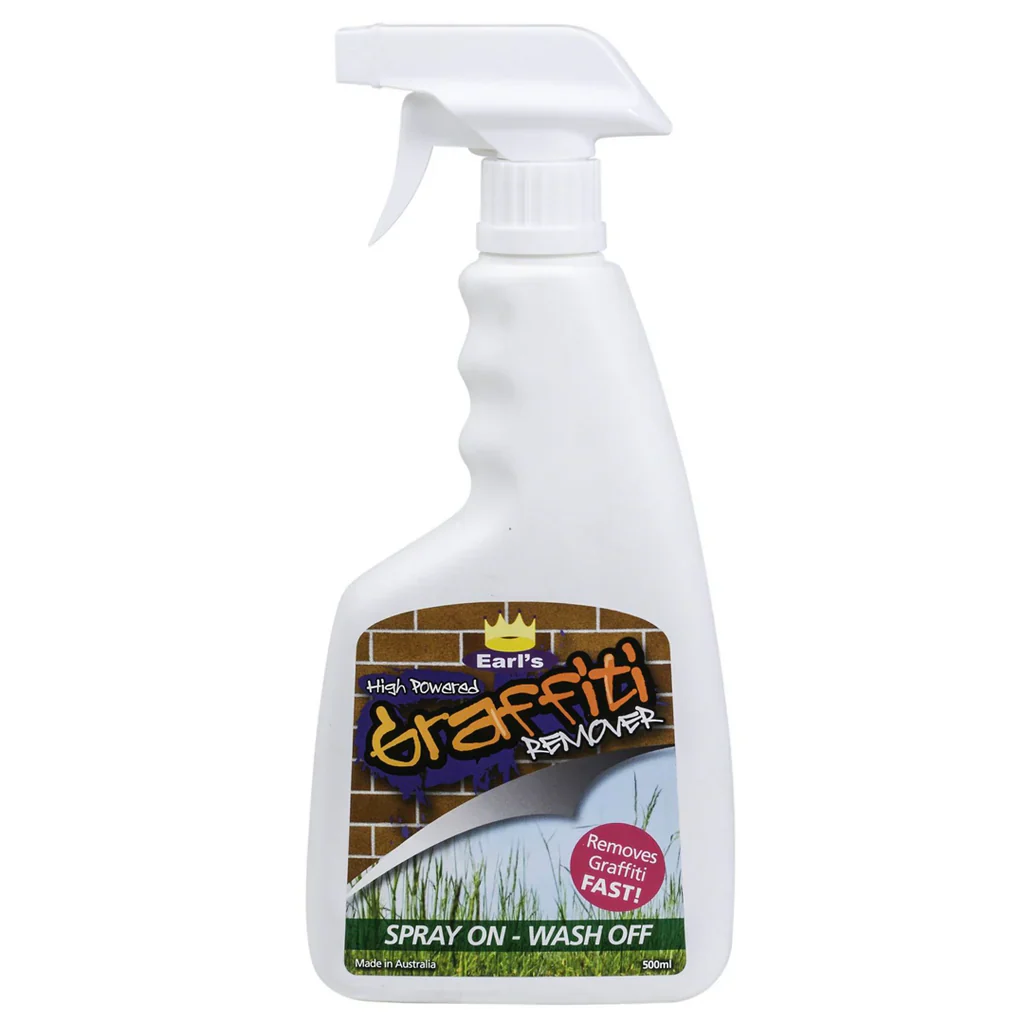
Earl’s Graffiti Barrier & Remover System 500ml Non-Toxic, Biodegradable (Barrier + Remover)
Earl’s Graffiti Barrier & Remover System 500ml Non-Toxic, Biodegradable (Barrier + Remover)
Earl’s Graffiti Barrier & Remover System – Non-Toxic, Biodegradable
Stop graffiti before it sticks—and remove it fast when it does. This two-part system pairs a sacrificial Graffiti Barrier coating with a powerful, non-caustic Graffiti Remover. Use the Barrier to shield vulnerable surfaces so future tags release easily, and use the Remover to dissolve existing graffiti on common building substrates. Both products are non toxic, contain no caustic soda, and are designed for safe, simple use in domestic or commercial settings.
Why choose this system
- Complete solution: Protect plus remove—works as a proactive coating and a reactive cleaner.
- Non-toxic & biodegradable: No caustic soda; safer handling and cleanup.
- Wide surface compatibility: Brick, cement render, timber fences, stone, metal, garage doors, and signage (always test first).
- Fast turnaround: Barrier rolls or brushes on quickly; Remover dissolves graffiti that can be rinsed away with water.
- Made for Australian conditions: Practical directions for real-world sites—homes, schools, retail, body corporate assets, and councils.
What’s in the box
- Earl’s Graffiti Barrier: A sacrificial, protective coating that forms an invisible* shield to make future clean-downs faster and gentler.
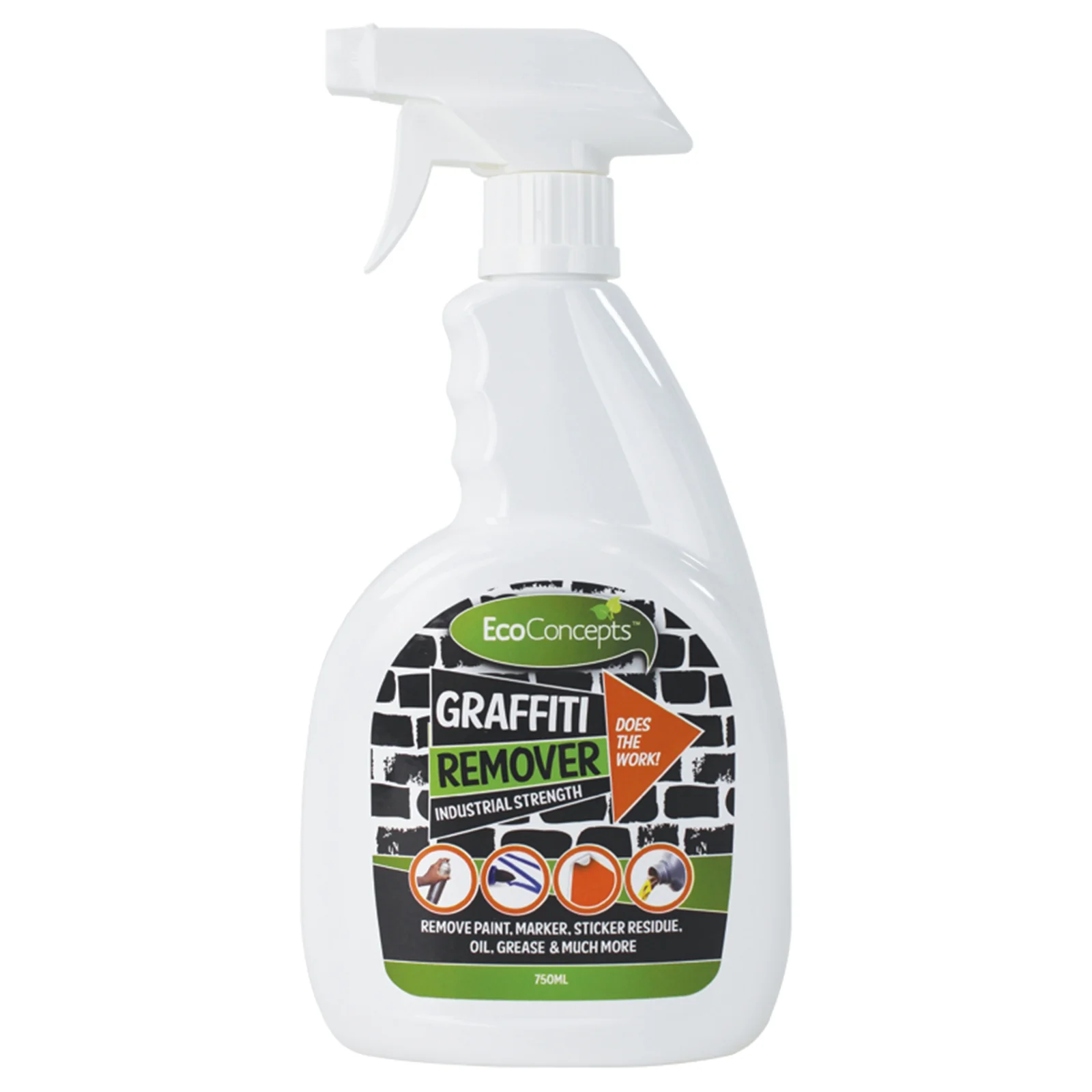
- Earl’s Graffiti Remover: A non-caustic cleaner that dissolves graffiti so residues can be scrubbed and rinsed away.
*Appearance may vary by substrate; see Specifications and always test a small area first.
Where to use
- Masonry: Bricks, blockwork, stone, concrete/cement render.
- Timber & metal: Timber fences, metal doors, garage doors, and metal signage.
- High-risk zones: Laneways, rear service doors, fence lines, public-facing walls, and transport corridors.
How it works
The Barrier creates a sacrificial layer. When tagging occurs later, graffiti sits at or near the surface and releases more readily during cleanup. The Remover penetrates and dissolves paints/inks so they can be agitated and rinsed from the substrate, especially effective on porous mineral surfaces and surfaces previously treated with the Barrier.
Directions
1) Apply the Graffiti Barrier (preventive)
- Prep: Surface must be clean, dry, sound, and free of dust, oil, or old failing coatings. Mask adjacent areas.
- Application: Stir/shake well. Apply sparingly by roller or brush in a single, consistent roll direction.
- Coverage: Up to ~6 m²/L on render or dark/porous surfaces (coverage varies by substrate profile and porosity).
- Conditions: Do not apply below 12 °C or in very cold/damp conditions.
- Appearance: Dries to an opaque protective film; test a small inconspicuous area to confirm finish/visual impact.
2) Use the Graffiti Remover (reactive)
- For unpainted mineral surfaces: Spray or liberally apply Remover directly to the graffiti. Allow time for the film to soften/dissolve.
- Agitate: Scrub with a stiff bristle brush to lift residues from pores and profiles.
- Rinse: Wash off thoroughly with clean water. Repeat on deeply embedded areas if required.
- Barrier not previously applied? The Remover can still be used to clean most common surfaces; repeat as necessary.
Pro tips
- Always conduct a spot test in an inconspicuous area to verify appearance and cleaning performance.
- Highly porous or dark substrates may need additional coats of the Barrier for consistent protection.
- Schedule maintenance inspections in high-risk locations so tags are removed promptly, discouraging re-offending.
Clean-up & safety
- Use appropriate PPE (gloves/eye protection). Provide ventilation when working in enclosed areas.
- Avoid runoff into drains and waterways. Collect residues where practical and dispose of in accordance with local regulations.
- Store sealed in a cool, dry place away from direct sun and sources of ignition. Keep out of reach of children.
Specifications
| Property | Graffiti Barrier | Graffiti Remover |
|---|---|---|
| Function | Sacrificial protective coating to ease future graffiti removal | Non-caustic graffiti dissolver for reactive cleaning |
| Key claims | Non toxic, non caustic, biodegradable | Non caustic; designed to dissolve graffiti for water rinsing |
| Suitable substrates | Brick, cement render, stone, timber fences, metal, garage doors | Brick, cement render, stone, timber fences, metal, garage doors, metal signs |
| Appearance / finish | Dries opaque (test first for visual impact) | Clear liquid cleaner (appearance varies by manufacturer’s batch) |
| Application method | Roller or brush (single roll direction) | Spray/apply, dwell, scrub, rinse with water |
| Coverage (guide) | Approx. 6 m²/L on render or dark/porous surfaces (substrate dependent) | Consumption varies with thickness of graffiti and porosity |
| Application temperature | Do not apply below 12 °C | Use in ambient conditions; avoid extreme heat/cold; ventilate area |
| Cleanup | Allow to dry; future clean-downs remove tags more easily | Rinse dissolved residues thoroughly with clean water |
| Typical uses | Preventive protection for high-risk surfaces | Removal of existing tags and markers |
Original: $18.07
-65%$18.07
$6.32Earl’s Graffiti Barrier & Remover System 500ml Non-Toxic, Biodegradable (Barrier + Remover)
Earl’s Graffiti Barrier & Remover System – Non-Toxic, Biodegradable
Stop graffiti before it sticks—and remove it fast when it does. This two-part system pairs a sacrificial Graffiti Barrier coating with a powerful, non-caustic Graffiti Remover. Use the Barrier to shield vulnerable surfaces so future tags release easily, and use the Remover to dissolve existing graffiti on common building substrates. Both products are non toxic, contain no caustic soda, and are designed for safe, simple use in domestic or commercial settings.
Why choose this system
- Complete solution: Protect plus remove—works as a proactive coating and a reactive cleaner.
- Non-toxic & biodegradable: No caustic soda; safer handling and cleanup.
- Wide surface compatibility: Brick, cement render, timber fences, stone, metal, garage doors, and signage (always test first).
- Fast turnaround: Barrier rolls or brushes on quickly; Remover dissolves graffiti that can be rinsed away with water.
- Made for Australian conditions: Practical directions for real-world sites—homes, schools, retail, body corporate assets, and councils.
What’s in the box
- Earl’s Graffiti Barrier: A sacrificial, protective coating that forms an invisible* shield to make future clean-downs faster and gentler.
- Earl’s Graffiti Remover: A non-caustic cleaner that dissolves graffiti so residues can be scrubbed and rinsed away.
*Appearance may vary by substrate; see Specifications and always test a small area first.
Where to use
- Masonry: Bricks, blockwork, stone, concrete/cement render.
- Timber & metal: Timber fences, metal doors, garage doors, and metal signage.
- High-risk zones: Laneways, rear service doors, fence lines, public-facing walls, and transport corridors.
How it works
The Barrier creates a sacrificial layer. When tagging occurs later, graffiti sits at or near the surface and releases more readily during cleanup. The Remover penetrates and dissolves paints/inks so they can be agitated and rinsed from the substrate, especially effective on porous mineral surfaces and surfaces previously treated with the Barrier.
Directions
1) Apply the Graffiti Barrier (preventive)
- Prep: Surface must be clean, dry, sound, and free of dust, oil, or old failing coatings. Mask adjacent areas.
- Application: Stir/shake well. Apply sparingly by roller or brush in a single, consistent roll direction.
- Coverage: Up to ~6 m²/L on render or dark/porous surfaces (coverage varies by substrate profile and porosity).
- Conditions: Do not apply below 12 °C or in very cold/damp conditions.
- Appearance: Dries to an opaque protective film; test a small inconspicuous area to confirm finish/visual impact.
2) Use the Graffiti Remover (reactive)
- For unpainted mineral surfaces: Spray or liberally apply Remover directly to the graffiti. Allow time for the film to soften/dissolve.
- Agitate: Scrub with a stiff bristle brush to lift residues from pores and profiles.
- Rinse: Wash off thoroughly with clean water. Repeat on deeply embedded areas if required.
- Barrier not previously applied? The Remover can still be used to clean most common surfaces; repeat as necessary.
Pro tips
- Always conduct a spot test in an inconspicuous area to verify appearance and cleaning performance.
- Highly porous or dark substrates may need additional coats of the Barrier for consistent protection.
- Schedule maintenance inspections in high-risk locations so tags are removed promptly, discouraging re-offending.
Clean-up & safety
- Use appropriate PPE (gloves/eye protection). Provide ventilation when working in enclosed areas.
- Avoid runoff into drains and waterways. Collect residues where practical and dispose of in accordance with local regulations.
- Store sealed in a cool, dry place away from direct sun and sources of ignition. Keep out of reach of children.
Specifications
| Property | Graffiti Barrier | Graffiti Remover |
|---|---|---|
| Function | Sacrificial protective coating to ease future graffiti removal | Non-caustic graffiti dissolver for reactive cleaning |
| Key claims | Non toxic, non caustic, biodegradable | Non caustic; designed to dissolve graffiti for water rinsing |
| Suitable substrates | Brick, cement render, stone, timber fences, metal, garage doors | Brick, cement render, stone, timber fences, metal, garage doors, metal signs |
| Appearance / finish | Dries opaque (test first for visual impact) | Clear liquid cleaner (appearance varies by manufacturer’s batch) |
| Application method | Roller or brush (single roll direction) | Spray/apply, dwell, scrub, rinse with water |
| Coverage (guide) | Approx. 6 m²/L on render or dark/porous surfaces (substrate dependent) | Consumption varies with thickness of graffiti and porosity |
| Application temperature | Do not apply below 12 °C | Use in ambient conditions; avoid extreme heat/cold; ventilate area |
| Cleanup | Allow to dry; future clean-downs remove tags more easily | Rinse dissolved residues thoroughly with clean water |
| Typical uses | Preventive protection for high-risk surfaces | Removal of existing tags and markers |
Product Information
Product Information
Shipping & Returns
Shipping & Returns
Description
Earl’s Graffiti Barrier & Remover System – Non-Toxic, Biodegradable
Stop graffiti before it sticks—and remove it fast when it does. This two-part system pairs a sacrificial Graffiti Barrier coating with a powerful, non-caustic Graffiti Remover. Use the Barrier to shield vulnerable surfaces so future tags release easily, and use the Remover to dissolve existing graffiti on common building substrates. Both products are non toxic, contain no caustic soda, and are designed for safe, simple use in domestic or commercial settings.
Why choose this system
- Complete solution: Protect plus remove—works as a proactive coating and a reactive cleaner.
- Non-toxic & biodegradable: No caustic soda; safer handling and cleanup.
- Wide surface compatibility: Brick, cement render, timber fences, stone, metal, garage doors, and signage (always test first).
- Fast turnaround: Barrier rolls or brushes on quickly; Remover dissolves graffiti that can be rinsed away with water.
- Made for Australian conditions: Practical directions for real-world sites—homes, schools, retail, body corporate assets, and councils.
What’s in the box
- Earl’s Graffiti Barrier: A sacrificial, protective coating that forms an invisible* shield to make future clean-downs faster and gentler.
- Earl’s Graffiti Remover: A non-caustic cleaner that dissolves graffiti so residues can be scrubbed and rinsed away.
*Appearance may vary by substrate; see Specifications and always test a small area first.
Where to use
- Masonry: Bricks, blockwork, stone, concrete/cement render.
- Timber & metal: Timber fences, metal doors, garage doors, and metal signage.
- High-risk zones: Laneways, rear service doors, fence lines, public-facing walls, and transport corridors.
How it works
The Barrier creates a sacrificial layer. When tagging occurs later, graffiti sits at or near the surface and releases more readily during cleanup. The Remover penetrates and dissolves paints/inks so they can be agitated and rinsed from the substrate, especially effective on porous mineral surfaces and surfaces previously treated with the Barrier.
Directions
1) Apply the Graffiti Barrier (preventive)
- Prep: Surface must be clean, dry, sound, and free of dust, oil, or old failing coatings. Mask adjacent areas.
- Application: Stir/shake well. Apply sparingly by roller or brush in a single, consistent roll direction.
- Coverage: Up to ~6 m²/L on render or dark/porous surfaces (coverage varies by substrate profile and porosity).
- Conditions: Do not apply below 12 °C or in very cold/damp conditions.
- Appearance: Dries to an opaque protective film; test a small inconspicuous area to confirm finish/visual impact.
2) Use the Graffiti Remover (reactive)
- For unpainted mineral surfaces: Spray or liberally apply Remover directly to the graffiti. Allow time for the film to soften/dissolve.
- Agitate: Scrub with a stiff bristle brush to lift residues from pores and profiles.
- Rinse: Wash off thoroughly with clean water. Repeat on deeply embedded areas if required.
- Barrier not previously applied? The Remover can still be used to clean most common surfaces; repeat as necessary.
Pro tips
- Always conduct a spot test in an inconspicuous area to verify appearance and cleaning performance.
- Highly porous or dark substrates may need additional coats of the Barrier for consistent protection.
- Schedule maintenance inspections in high-risk locations so tags are removed promptly, discouraging re-offending.
Clean-up & safety
- Use appropriate PPE (gloves/eye protection). Provide ventilation when working in enclosed areas.
- Avoid runoff into drains and waterways. Collect residues where practical and dispose of in accordance with local regulations.
- Store sealed in a cool, dry place away from direct sun and sources of ignition. Keep out of reach of children.
Specifications
| Property | Graffiti Barrier | Graffiti Remover |
|---|---|---|
| Function | Sacrificial protective coating to ease future graffiti removal | Non-caustic graffiti dissolver for reactive cleaning |
| Key claims | Non toxic, non caustic, biodegradable | Non caustic; designed to dissolve graffiti for water rinsing |
| Suitable substrates | Brick, cement render, stone, timber fences, metal, garage doors | Brick, cement render, stone, timber fences, metal, garage doors, metal signs |
| Appearance / finish | Dries opaque (test first for visual impact) | Clear liquid cleaner (appearance varies by manufacturer’s batch) |
| Application method | Roller or brush (single roll direction) | Spray/apply, dwell, scrub, rinse with water |
| Coverage (guide) | Approx. 6 m²/L on render or dark/porous surfaces (substrate dependent) | Consumption varies with thickness of graffiti and porosity |
| Application temperature | Do not apply below 12 °C | Use in ambient conditions; avoid extreme heat/cold; ventilate area |
| Cleanup | Allow to dry; future clean-downs remove tags more easily | Rinse dissolved residues thoroughly with clean water |
| Typical uses | Preventive protection for high-risk surfaces | Removal of existing tags and markers |